
Every modern building relies on a functional infrastructure to keep daily operations smooth, clean, and completely safe. While piping networks are hidden behind walls and beneath concrete slabs, their operational integrity directly dictates the long-term profitability of any real estate investment. Outdated systems frequently cause sudden structural damage, resulting in expensive remediation work and tenant dissatisfaction that lowers overall asset valuation.
Upgrading your building infrastructure with advanced materials is the most reliable way to mitigate these emergency expenses. For instance, addressing an aging plumbing stack in St. Charles, MO, prevents dangerous sewer gas leaks and systemic drainage backups throughout multi-story properties. Utilizing contemporary PVC or cast-iron alternatives ensures that your primary vertical waste lines operate quietly and efficiently without experiencing premature structural decay.
The Evolution of Modern Piping Materials
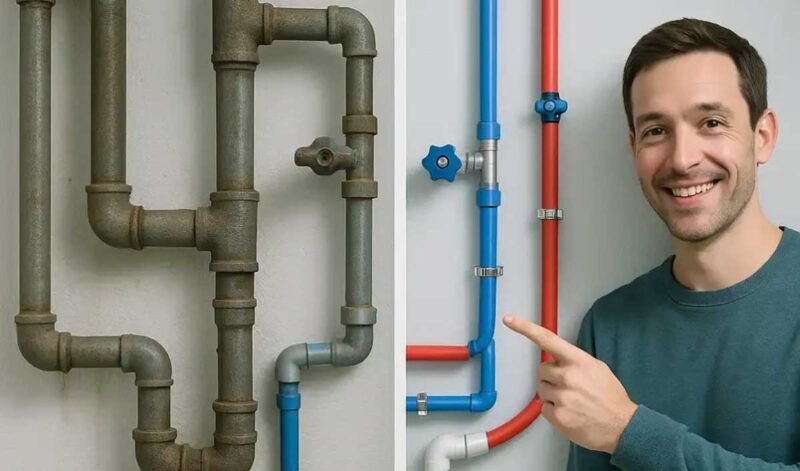
Traditional homes often utilize galvanized iron or old copper pipes, which remain highly susceptible to internal corrosion, lime scaling, and pinhole leaks. As these metals interact with treated water over decades, chemical reactions weaken the pipe walls, slowly reducing overall water velocity. Transitioning to flexible cross-linked polyethylene, commonly known as PEX, eliminates these structural vulnerabilities while significantly lowering initial installation expenses.
These advanced material upgrades provide exceptional flexibility, allowing pipes to expand during unexpected winter freezes without splitting open. Furthermore, updating the central plumbing stack in St. Charles, MO, improves structural ventilation, allowing waste to move quickly into municipal grids. This synchronized airflow eliminates the negative air pressure that frequently causes slow fixture drainage, bad sewer odors, and disruptive plumbing noises inside residential spaces.
Financial Advantages of Upgraded Systems
The primary benefit of integrating modern infrastructure is the immediate reduction in recurring service calls. Smooth interior walls prevent the accumulation of soap scum, hard water scale, and organic debris that typically cause severe clogs. By maintaining a clean internal surface, your plumbing network experiences less physical friction, which keeps water pressure balanced and protects sensitive appliance valves from early failure.
Property managers who track operational expenditures realize that proactive replacement strategies always outperform reactive emergency repairs. Hidden water leaks can silently destroy structural drywall, foster toxic mold colonization, and ruin expensive electrical systems before becoming visible. Advanced leak-detection devices combined with durable piping materials isolate pressure drops instantly, shielding your maintenance budget from unpredictable, catastrophic building restoration costs.
Improving Drainage Efficiency and Ventilation
Efficient fluid dynamics are necessary to ensure that wastewater leaves your property without leaving heavy chemical residues behind. Modern drainage systems are engineered specifically to handle high volumes of water simultaneously, supporting multi-family occupancy configurations seamlessly. This optimized flow rate stops stagnant water from pooling inside your lines, which completely removes the environmental conditions that support bacteria growth and persistent bad smells.
To achieve maximum operational savings, a property must combine advanced materials with a strategic architectural layout. Understanding the specific benefits of these smart system installations helps property owners organize their upcoming upgrade priorities effectively. The following features highlight how contemporary piping innovations transform household utility management and provide sustainable cost reduction over several decades of continuous system operation:
- Corrosion Resistance:Advanced materials like PEX and high-grade PVC are completely immune to rust and chemical degradation.
- Thermal Retention:Modern hot-water lines minimize standby heat loss, supporting your overall household energy efficiency goals.
- Fewer Joints:Flexible piping coils reduce the need for directional fittings, eliminating the primary points where leaks occur.
- Smooth Fluid Dynamics:High-density interiors prevent mineral scaling, maintaining original water velocity through years of constant service.
- Acoustic Insulation:Engineered waste pipes damp the sound of rushing water, enhancing indoor home comfort significantly.
Structural Longevity and Asset Protection
A self-sustaining property is exceptionally attractive to potential buyers in the modern real estate marketplace, driving up your total valuation. Investing in modern piping infrastructure shows future owners that the building envelope is secure from the hidden threats of moisture and structural shifting. This foundational security allows you to secure competitive insurance premiums, as underwriters recognize the reduced risk of water damage.
Furthermore, these upgrades work in perfect harmony with your climate control systems by preventing excessive humidity from entering crawlspaces. When pipes do not leak or sweat, your air conditioner can regulate indoor air quality and temperature without drawing extra electricity. This synergy between plumbing security and HVAC operation creates an exceptionally comfortable, sustainable environment while keeping your monthly power expenses low.
Partnering with licensed local experts ensures that your new piping grid complies with all current environmental codes and regional safety guidelines. Certified technicians utilize advanced pressure testing to verify that every connection is completely sealed before finalizing the installation process. This upfront technical precision guarantees that your building infrastructure remains a reliable, high-performing asset that serves your family safely through changing seasonal shifts.
Secure Future Savings
Investing in advanced pipe systems is an essential strategy for property owners looking to eliminate unpredictable maintenance costs and protect structural integrity. Transitioning away from legacy metallic lines to modern flexible alternatives prevents the friction, scale buildup, and freeze damage that trigger emergency utility bills. Upgrading your vertical ventilation paths enhances daily drainage efficiency and safeguards indoor air quality from dangerous gases. Ultimately, these proactive infrastructure updates stabilize your household budget, increase overall real estate valuation, and deliver absolute peace of mind for your family.