


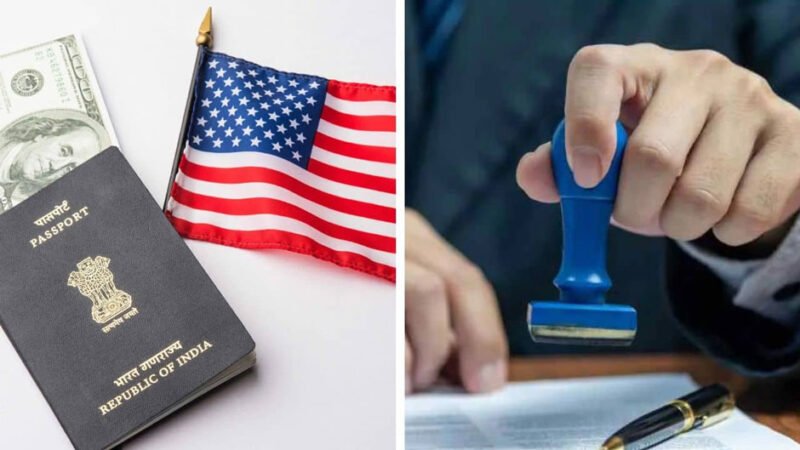
Social Screening for Visa Immigration & Students: Trends, Risks, Innovation
In today’s hyper-connected world, your digital footprint speaks louder than your passport photo. Governments, universities, and immigration officers are increasingly turning to social screening for visa immigration and social screening for students as part of their decision-making process. What once seemed like a futuristic idea—checking Facebook posts or Instagram stories before granting a visa—is now a mainstream practice shaping the future of global mobility.
The Rise of Social Media Checks
I still remember a friend applying for a student visa to the U.S. a few years ago. He joked, “I hope they don’t scroll back to my college memes.” We laughed, but the reality hit when his application was delayed due to inconsistencies between his official documents and his online presence. That’s when I realized: social screening for visa immigration isn’t just about catching fraud, it’s about building trust in a digital-first era.
For students, the stakes are even higher. Universities want to ensure applicants represent their values, while governments aim to prevent risks. This makes social screening for students not just a compliance tool, but a gateway to opportunity—or a barrier if mismanaged.
Current Industry Trends
The industry is buzzing with innovation. Automated tools now scan thousands of profiles in minutes, flagging potential risks like extremist content, fake identities, or suspicious activity. AI-powered systems are becoming the backbone of social screening for visa immigration, offering speed and accuracy that manual checks could never achieve.
For students, the trend is shifting toward proactive guidance. Institutions encourage applicants to audit their own digital presence before applying. Think of it as spring cleaning for your online life—delete outdated posts, clarify professional achievements, and highlight positive contributions.
Risks and Challenges
Of course, every shiny coin has another side. Privacy concerns loom large. Nobody wants their harmless joke from 2015 to be misinterpreted as a red flag. Bias is another challenge—what’s considered inappropriate in one culture may be perfectly normal in another.
False positives can derail dreams. Imagine a student denied admission because an algorithm misread sarcasm as hostility. That’s why experts stress the importance of human oversight in social screening for students and immigration cases.
Best Practices for Professionals
So, how do professionals navigate this tricky terrain?
- Proactive audits: Encourage applicants to review their online presence regularly.
- Cultural sensitivity: Screening must respect diverse norms and expressions.
- Transparency: Clear communication of criteria builds trust.
- Ethical safeguards: Compliance with data protection laws is non-negotiable.
These practices ensure that social screening for visa immigration remains fair, effective, and future-ready.
Innovation Shaping the Future
The future of screening is dazzling. Predictive analytics may soon anticipate risks before they escalate. Blockchain could secure digital identity records, making verification tamper-proof. Global harmonization of policies may create standardized practices across borders.
And let’s not forget AI ethics. Building trust in automated decision-making is crucial. After all, nobody wants a robot deciding their future without accountability.
Thought Leadership & Future Projections
Looking ahead, governments and institutions will continue refining their approaches. The challenge is balancing innovation with empathy. Screening should empower, not intimidate. For students, it should open doors, not close them.
The long-term adaptability of social screening for students and immigration lies in its human-centered approach. Technology may evolve, but fairness, transparency, and trust will remain timeless values.
Conclusion
In the end, social screening for visa immigration and social screening for students are here to stay. They reflect a world where digital identity is as important as physical documents. For professionals, the message is clear: embrace innovation, follow best practices, and lead with empathy.
For applicants, the takeaway is simple—your online presence is part of your application. Treat it with the same care as your resume. And maybe, just maybe, think twice before posting that late-night meme.